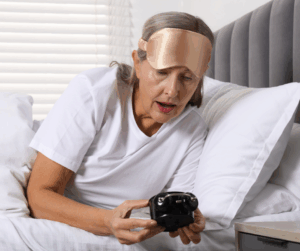
When someone you love is living with dementia, daily life can quickly become filled with challenges; not just for them, but for the whole family. Tasks that were once second nature, like making a cup of tea or navigating to the bathroom at night, may now cause confusion, frustration, or even safety risks. But there’s good news: with a few practical, low-cost changes around the home – and the right care strategies – you can help create a safe, supportive environment that promotes independence, comfort, and dignity.
At Home Care Assistance Australia, we believe that a well-designed home is one of the most powerful tools for supporting someone living with dementia. It can reduce stress, prevent accidents, and allow the person to stay at home for longer, something most Australians want.
Here’s how you can make everyday life easier with thoughtful, dementia-friendly home changes.
Understanding the Impact of Dementia at Home
Dementia isn’t just about memory loss. It can affect:
- Perception and orientation (e.g. trouble judging distance or recognising familiar spaces)
- Cognitive processing (e.g. struggling to follow sequences like cooking a meal)
- Mood and behaviour (e.g. anxiety, agitation, or wandering)
- Physical ability (e.g. poor balance, coordination, or strength)
The home, which may have once been a haven, can become confusing, overwhelming, or even dangerous. But with careful adjustments, you can remove unnecessary barriers and help your loved one move through their day with greater ease.
Rethinking the Home: Room-by-Room Changes
1. Front Entry and Outdoor Spaces
Start with the first impression. Is your loved one confident navigating the front yard or entryway?
- Clear, level paths reduce the risk of falls.
- Good lighting (especially motion-sensor lights at the front door) improves visibility.
- Ensure house numbers are large, bold, and easy to read from the street to help with orientation and emergency services access.
- Add handrails where needed, especially on stairs or ramps.
A small garden can also provide sensory pleasure and gentle physical activity, but should be enclosed and secure if your loved one is prone to wandering.
2. Living Areas
These are often the hub of the home, so they should feel calm, familiar, and easy to navigate.
- Declutter surfaces and remove excess furniture that may create tripping hazards.
- Use contrasting colours for furniture and flooring so key items like chairs are easier to see.
- Ensure rugs are non-slip or remove them entirely, they’re a common trip risk.
- Display photos or memory boards to prompt recognition and a sense of belonging.
A quiet reading nook with natural light or a playlist of favourite music can provide comfort and stimulation without overwhelming the senses.
3. Kitchen Safety and Simplicity
The kitchen can be one of the most confusing and hazardous spaces.
- Use clear labels or photos on pantry doors or drawers to indicate contents.
- Store frequently used items at eye level to reduce bending or searching.
- Consider automatic shut-off devices for stovetops or kettles.
- Lock away dangerous items such as sharp knives, cleaning products, or alcohol.
If your loved one still enjoys cooking, set them up for success with simple tasks, pre-prepped ingredients, or assisted meal-making supported by a care professional.
4. Bathroom Modifications
Bathrooms can be slippery and confusing, especially with shiny surfaces and poor lighting.
- Install grab bars near the toilet and shower.
- Use a raised toilet seat if needed.
- Replace slippery mats with non-slip flooring.
- Add colour contrast between toilet seats, floors and walls to help with visibility.
- Clearly label taps as hot or cold.
- Keep toiletries to a minimum to avoid confusion.
If personal hygiene is becoming a concern, this may also be the time to explore in-home assistance for bathing or dressing.
5. Bedroom: A Place of Rest and Routine
A dementia-friendly bedroom should be a relaxing sanctuary.
- Keep layouts simple and familiar, avoiding frequent furniture rearrangements.
- Use block-out curtains to support healthy sleep patterns and reduce evening confusion (sundowning).
- Leave a lamp or night light on to prevent disorientation at night.
- Choose comfortable bedding that isn’t too heavy or difficult to manage.
- Consider placing a clock with day and night indicators or digital calendars to reinforce orientation.
- Label wardrobes or drawers with images or words to help your loved one find their clothing easily.
General Strategies Beyond the Physical Environment
While home modifications are essential, your approach to care, routine, and communication also play a big role in creating a dementia-friendly environment.
Support Predictability with Routine
People with dementia often thrive on routine. Knowing what comes next reduces anxiety and helps them feel more in control.
- Keep wake-up, meals, and bedtimes consistent.
- Try to schedule important tasks (like medical appointments or bathing) earlier in the day, when your loved one may feel more alert.
- Use visual schedules or whiteboards for daily plans.
Communicate with Simplicity and Compassion
Frustration can often arise from misunderstandings.
- Speak slowly, clearly, and with a gentle tone.
- Use short sentences and give one instruction at a time.
- Avoid arguing or correcting, redirect or reassure instead.
- Encourage independence by offering choices, e.g. “Would you like tea or water?” rather than open-ended questions.
Involve Them in Daily Tasks
Even as cognitive abilities decline, people with dementia still want to feel useful.
- Ask them to help fold washing, water plants, or sort simple items.
- Celebrate their efforts, not just results.
These small tasks foster a sense of purpose and maintain confidence.
Professional Support Makes All the Difference
It’s important to remember that you don’t have to do it all alone. At Home Care Assistance, our trained professionals understand how to support people living with dementia in ways that promote independence, dignity, and emotional wellbeing.
We can help with:
- Personal care such as bathing, dressing, and toileting
- Meal preparation and nutrition support
- Medication reminders
- Companionship and cognitive engagement
- Safe transport to medical or social appointments
- Light housekeeping and home organisation
- Respite care to give families a much-needed break
Our care professionals are trained in dementia-specific communication and behavioural strategies, helping families navigate the condition with confidence and compassion.
Affordable Changes with Big Impact
Most dementia-friendly home adjustments are affordable and don’t require major renovations. Some families may even qualify for government funding under the Support at Home Program, which includes additional financial support for:
- Home modifications
- Assistive technologies
- Respite and personal care
Our team at Home Care Assistance can guide you through these options and help you access the right funding streams to support your loved one at home.
A dementia diagnosis doesn’t mean losing the comfort and familiarity of home. With a few thoughtful changes and a supportive care plan, people living with dementia can enjoy greater safety, comfort, and independence, and so can their families.
By creating a dementia-friendly environment, embracing routine and clear communication, and bringing in experienced support, you can dramatically improve daily life and peace of mind.
Support at home from a specialist provider, such as Home Care Assistance, can bring enormous benefits and comfort to your quality of life while living independently at home. Home Care Assistance offers viable solutions for supporting independent living. For more information, get in touch with a Home Care Assistance near me today.